
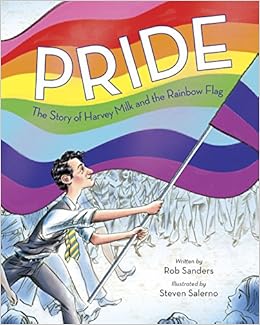
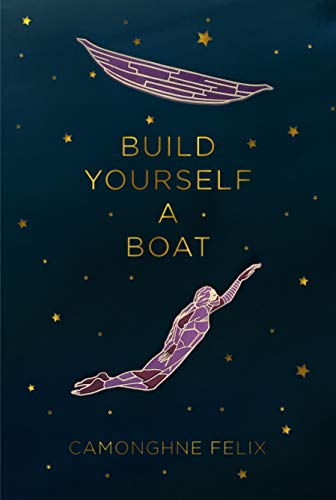

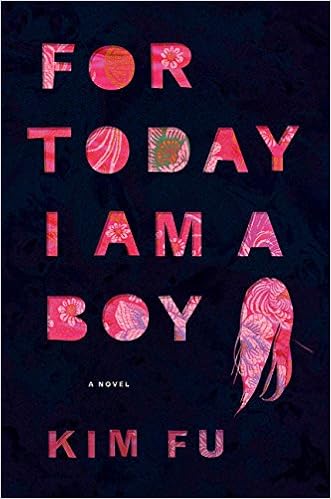
Click the links below for a selection of books and films by and about the LGBTQ+ community:
Nonfiction
Memoir
Fiction
Poetry
Graphic Novels
Movies
Children’s Books
Young Adult Books

Click the links below for a selection of books and films by and about the LGBTQ+ community:
Nonfiction
Memoir
Fiction
Poetry
Graphic Novels
Movies
Children’s Books
Young Adult Books

Looking for something to do on a Saturday night? The We Are One Global Film Festival is posting new films hourly. See the latest selections from over 20 national and international film festivals including: Cannes, Tribeca, the New York Film Festival, the Tokyo Film Festival, Annecy International Animation Film Festival and more! These films are free but they are using the festival to raise money for Covid 19 relief organizations. Available now through June 7th. Stay in this weekend and watch something new!

 May is Mental Health Awareness Month and in light of COVID-19, nurturing our mental health has become even more necessary. We have highlighted some of the mental health challenges that have been exacerbated by the pandemic by providing books, audiobooks, movies, websites, and hotlines. We hope these resources will increase understanding of mental health and help you cope.
Hotlines, Mental Health, and Neurodiversity
Mental Health Ebooks for Children
Resources to Support Mental Health in Children
Mental Health Books and Resources for Teens
Mental Health Awareness Movie Recommendations
Stress, Anxiety, and Depression: Books and Resources
Loneliness and Connection: Books and Resources
PTSD, Trauma, and Recovery Resources
Racism and Bullying: Mental Health Consequences and Resources
Grieving: Books and Resources
Addiction and Recovery: Books and Resources

A lot of creation comes from consumption of some kind; seeing, reading, listening to something inspiring primes the brain with energy for new ideas. But with everything closed and movement restricted some of the places that inspire the most are out of reach. Many museums have tried to fill that gap by making some or all of their collections available online. They are also hosting webinars, posting pictures, and even producing coloring books. Here too, the Malden Public Library is making our art collection available with a new piece of artwork every week with Monday at the Museum on Facebook. To help inspire and uplift, included below, are some links to museums offering art, culture, history and science add some richness to the stay at home creative life.
All the Library’s museum passes are locked up safe inside our building and all the local museums, zoos, and kid places are still closed down. But many our favorite family destinations available through our pass program are still available in some way online. Some of the museums also have daily offerings, live streams, and educational resources and not just virtual tours. So make sure to check out their web offerings to see what new events are available.
Before the shutdown many museums had begun making their collections available online. Quarantine has helped those virtual collections to grow in number and variety. For art lovers and people looking for inspiration for their next creative project here is a selection of both local, national, and international art museums that offer virtual access.
In addition to all of the museums listed with Google Arts and Culture there are a number of niche institutions, historical sites, natural history museums and cultural institutions that have gone online with content for interested browsers. Here are a few but if there is an institution or type of museum missing from this list head to their website and look for their online options.
As more collections have come online, and more people have time to really appreciate them, a movement to replicate some great historical works has started. The instagram @covidclassics posts photos of classic painting recreations by four bored art lovers. The Getty Art Museum has also issued a challenge to replicate classic works of art with household objects.
We challenge you to recreate a work of art with objects (and people) in your home.
? Choose your favorite artwork
? Find three things lying around your house⠀
? Recreate the artwork with those itemsAnd share with us. pic.twitter.com/9BNq35HY2V
— Getty (@GettyMuseum) March 25, 2020
You can follow the submissions on their Twitter account.
In response to the Getty challenge and the spirit of art and culture online. Here is Iggy Pup trying his very hardest to be a good boy like William Wegman’s wonderful Weimaraners.
Pretty good, right? Try it at home with some found objects and a camera. Feel free to tag the Malden Public Library on Facebook, Twitter, Instagram with the final result. #Creativityinchallengingtimes.
One more with Iggy the failed dog model.


The wartime edition of the Victory Binding of the American Woman’s Cook Book was dedicated to General Douglas MacArthur and the war effort. In it are recipes that made the best of scarce ingredients and provided tips for making a lot from a little. In that dedication to MacArthur the editors wrote:
“His heroic leadership and gallant fight against overwhelming odds should inspire every American woman to make the most of daily opportunities to support the war effort in her home and in every sphere of worthwhile war activity. there must be thousands of little ways to do a job better–thousands of opportunities to help–to create, to conserve and to serve. If every woman, every day, in everything she does, will do her utmost of accomplish the aims of our Government, then that combined effort will soon become a gigantic and valuable aid toward winning this war.”
While a pandemic is not quite a war and our kitchens have become a lot more gender inclusive the message of creativity, conservation, and contribution of collective effort is very applicable to our current circumstances. With social distancing and stay at home orders being the new war effort many of us find ourselves looking for ways to make do and fill our time with new and useful skills. And bread baking is both a necessary skill and one that has become emblematic of current social efforts to use our time to make and create something useful and delightful.
The Malden Library has a number of resources to help people learning to bake, or for those wishing to improve their baking skills. We have an extensive cookbook collection both in print and online. But while the library is currently closed there are still cookbooks available to download. And here is a handy list of bread baking books to get you through the challenging times and spark a little baking creativity.
The library also has many cookbooks in Local History that might inspire some classic baking. Included here are a few select recipes using various ingredients to offer an historical perspective on a new hobby.


And if that is not historical enough you can read a Smithsonian article about an ancient yeast starter created from 4,500 year old Egyptian pottery and ancient grains thanks to the work of amateur baker: Seamus Blackley. It is probably a level of bread most of us will only dream of baking.
For those looking for quick inspiration or in need of recipes that fit a narrowing list of available ingredients included are a few online suggestions for different types of bread. A quick search with ingredients on hand may yield suggestions for suitable recipes. It is also a good idea to check for tips and tricks for typical ingredient substitutions in recipes. What’s Cooking America has a chart that offers the most common substitutions for flours, and eggs other ingredients; it is a useful resource for more than just baking.
Firstly, the most popular bread baking tool right now is a good sourdough starter. With the surge in consumer demand yeast is in short supply so many bakers are making breads with different types of leavening. And while the library has books to borrow on the topic, sourdough starters are trending on most news sites and social media. First, read
The next bread that new bakers may want to try is baking soda bread. Made famous by Irish Soda Bread there are a number of soda based breads that use the effervescent qualities of a baking soda based chemical reaction to make bread rise. There are several baking soda and baking powder based recipes in the historic recipes above. But there are also a few updated versions. Irish soda bread is the iconic soda bread and Forbes has a selection of recipes from Irish chef, Darina Allen. Beer bread is another variation like this recipe from New York Times. Here is another soda base recipe from Bon Appetit magazine that includes whole wheat and seeds to make a hearty dense loaf.
Flatbreads are also a good alternative for those with limited ingredients and for those who are looking for quick and tasty option. And Saveur has a list of 16 recipes to try at home that will use a variety of ingredients and are easy to prepare. Fry bread is also a related and straightforward option this recipe is from the Smithsonian and includes a little historical context for the recipe and the people who created it.
As quarantine continues, and even when Massachusetts begins to open back up, it will still be important to limit contact between people for the foreseeable future. Shortages may still continue and we will have to creatively fill them. As citizens we are not being asked to buy government bonds or to enlist to help a war effort but we are making other sacrifices. We are being asked to close down, stay home, to wait to keep each other safe. And that waiting can be anxious and overwhelming. Filling the time and space that this situation creates requires a new set of skills. We have guides, fortunately, there are historical examples of how previous generations have endured creatively. There are online outlets ready to teach and guide people in need of distraction and information. And there are library resources set up and ready to inspire.
So if you need to bake some bread while you are waiting to go back to normal. If you need to learn to sew a mask for your daily walks. Or you want to start a digital paint night, poetry slam, or book discussion via video conference so you can express yourself. Or if you need to plant a Covid-19 victory garden in buckets on the the porch. Then do the things that help you endure and wait, let your creativity guide you through this challenging time.

Are you looking for a way to celebrate Cinco de Mayo? Or maybe experience the work of more Latinx artists and support more independent cinema? For the month of May the Los Angeles Latino International Film Festival (LALIFF) is available for free. This is the 19th year of the festival founded by Edward James Olmos, Marlene Dermer, Kirk Whisler and the George Hernandez. The festival features full length films, shorts, music, animation, and classes for people looking to expand their skills.
This is an international film festival that focuses on the works of Latinx creators telling stories that impact Latinx communities both here in the United States and abroad. It is an opportunity to see some interesting perspectives and new voices in cinema and music. The festival is available to stream at the LALIFF website and is free and open to all.
Additionally, the festival is promoting the work of the Youth Cinema Project. They will be hosting live reading events by student participants on Mondays, Wednesdays, and Fridays at 10 am EST. The live readings feature the work of the students in the Youth Cinema Project program paired with a panel discussion. These are great events to inspire teens and young adult filmmakers to tell their own stories and get more involved in filmmaking. More information and past events are available on their website and on their Youtube channel.

With the CDC’s new guidelines , and the outbreak intensifying; many cities and towns are instituting ordinances that require mask use in public places. This means demand for ready made masks has often out stripped the supply. So now is a good time to learn how to create a basic face covering that will help keep you and your neighbors safe. And the library has access to some helpful resources to get you started.
There are many options but most require a basic knowledge of sewing, or at least a crafty friend willing to help you out. So, if you are wondering how to start sewing your first mask or you would like to remind yourself of the finer points of your sewing machine then the Creativebug database provided by the Malden Public Library is a good place to start.
Creativebug offers a helpful video format that guides viewers through step by step lessons. You can learn how to hand sew, thread a sewing machine, sew seams, or make complicated patterns and even clothing! And while it doesn’t provide specific mask making instructions, the videos will help you feel more confident navigating the techniques needed to make one. And once you have tested out the sewing tutorials, there are a number of other craft lessons and inspirations to help you keep busy. There is even a helpful pattern section for more advanced crafters looking to take on new challenges.

If you have tried to look up mask information in the past, there are a number of suggestions for the best shape and materials for face coverings. The CDC provided a FAQ to help introduce the concept with the do’s and don’ts of facemasks. But there are also many other options provided by hospitals and designers that have features that may meet your long-term needs. With the rapid change in expectations and the use of masks as a new social normal, being able to choose and create your own mask is a viable and necessary skill. And sorting through all the information is certainly a difficult task. So here is provided a few reliable options and some information that will help you get started on a mask for wearing in public.
If you are now interested in making your own mask there are a lot of options based on your skill level and materials available. Most masks will work as long as they are a design that is comfortable for you to wear and that fit your face properly. The CDC recommends that the mask should fit over the bridge of the nose and down to the underside of the chin. This is essential to prevent the spread of disease.
Fabric type in important to the mask’s filtering capabilities. The most commonly suggested fabric is cotton for its wicking properties and for its tight weave. A recent study in ACS Nano and available on NCBI provides information on the effectiveness of different materials and layers. And with the addition of a filter and a wire nose piece many of the patterns filter very effectively. Most patterns recommend two layers of fabric (sometimes more or with a filter pocket) to help increase filtration.
Once the mask is completed you can attach it with either elastic behind the ears or ties around the head. This will help make sure your mask fits appropriately and that it will not be uncomfortable when you are out running errands and cannot adjust the fit. So when deciding on a pattern, take into account your comfort and the types of materials you have access to and can reasonably assemble.
The CDC recommends the following for how to wear a cloth face mask. The mask should:
In making your mask there are a number of things to consider. Form will definitely help with function and there many options to choose from for your construction. Here are some of the most common patterns available for home and institutional use. The patterns range in complexity from no sew to novice level technique. Most of these masks can be hand sewn if needed but ideally are designed for a sewing machine. The CDC website offers several patterns for simple masks that require little or no sewing. But there are also several patterns here created by hospitals and professionals that require various levels of skill. Ultimately choose a mask that will fit and is possible to make with the skill and materials available.

|

|
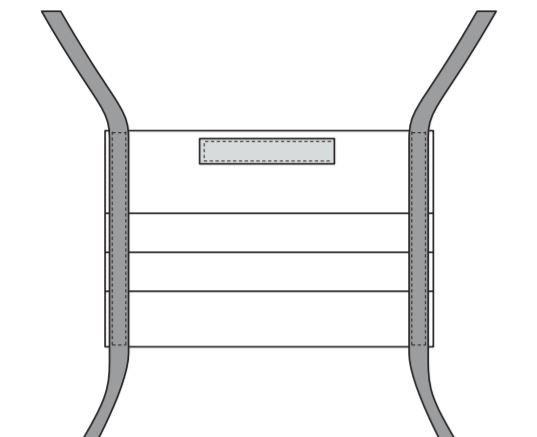 Basic Surgical Mask with Ties–Johns Hopkins |
|
|
Simple Curved Mask– Instructables |

Original Olson Mask PDF–Unity Point Health |

Surgical Mask with Filter Pocket- Youtube Video |
Should making your own mask seem too much of an undertaking, Malden Neighbors Helping Neighbors has a Facebook page where you can ask for assistance whether you need help finding a mask or need resources like shopping assistance or food. They also have a website where you can apply for help or look for ways to volunteer. They are a great resource for anything Covid-19 assistance related and they are strictly volunteer.
But if you are excited to take on the new challenge of sewing and think you might want to volunteer your new mask making services the best way to help is to sign up with an organization like Malden Neighbors Helping Neighbors or the Boston Area Mask Initiative. They will have all the information on what is needed, who needs it, and how to get involved. They also have great tips and tricks that can help you make the most of your volunteering. So check them out.

There are wonderful interactive websites so that your children can practice skills and keep learning while they are home from school. We will keep adding to this page as we discover more opportunities.
Here is a variety of sites offering math activities for different grade levels:
Here are sites relating to reading:
Check out these games to help make reading fun:
Science websites for interactive learning:
Adventures in Chemistry Resources, activities, videos, games for elementary and high school students (free through March 31)
Are you missing storytime? Here are some videos featuring special readers of entertaining books:
Don’t forget to keep the A in STEAM! Here are some ways to spark creativity:
Lunch Doodles with Mo Willems

Dear Students, Teachers and Malden residents:
Do you want access to online educational resources – the Library can help.
The Malden Public Library will temporarily waive the in-person requirement to get a Malden Library Card. You will need the following information: full name, street address, telephone number, email address. We will then issue you a temporary library card number and PIN, which will allow you to access our amazing collection of online resources. This card will expire in three months. Transferring this temporary card to a permanent card will simply require you to come to the Library with ID and proof of address.
We will add new cards as soon as possible, but it may take several days for your card to be activated.
To get a library card email us at https://maldenpubliclibrary.org/contact-us/ or if you need more assistance you can call the Library Card Line at (781) 333-0640.
The Library’s Online Resources are listed at: https://maldenpubliclibrary.org/elibrary/
Keep on learning with Educational Reference Complete, US History in Context, World History in Context, Universal Class, World Book Online, and RBDigital’s Great Courses;
Read ebooks and listen to audiobooks for all ages with Overdrive, RBDigital, Hoopla, and Tumblebooks for Kids
Read your favorite magazine with RBDigital’s streaming magazines
Learn 70 languages with Mango Learning and Little Pim for Kids
Get creative with CreativeBug, Culinary Arts Collection, and Home Improvement;
Coming soon: TumbleMath: Grades K-4 and TeenBookCloud: Grades K-12
And following the Library on Facebook – new resources being added every day.
You can also sign up for a BPL eCard from home at https://www.bpl.org/ecard/. Not all Malden resources are available with a BPL eCard

